

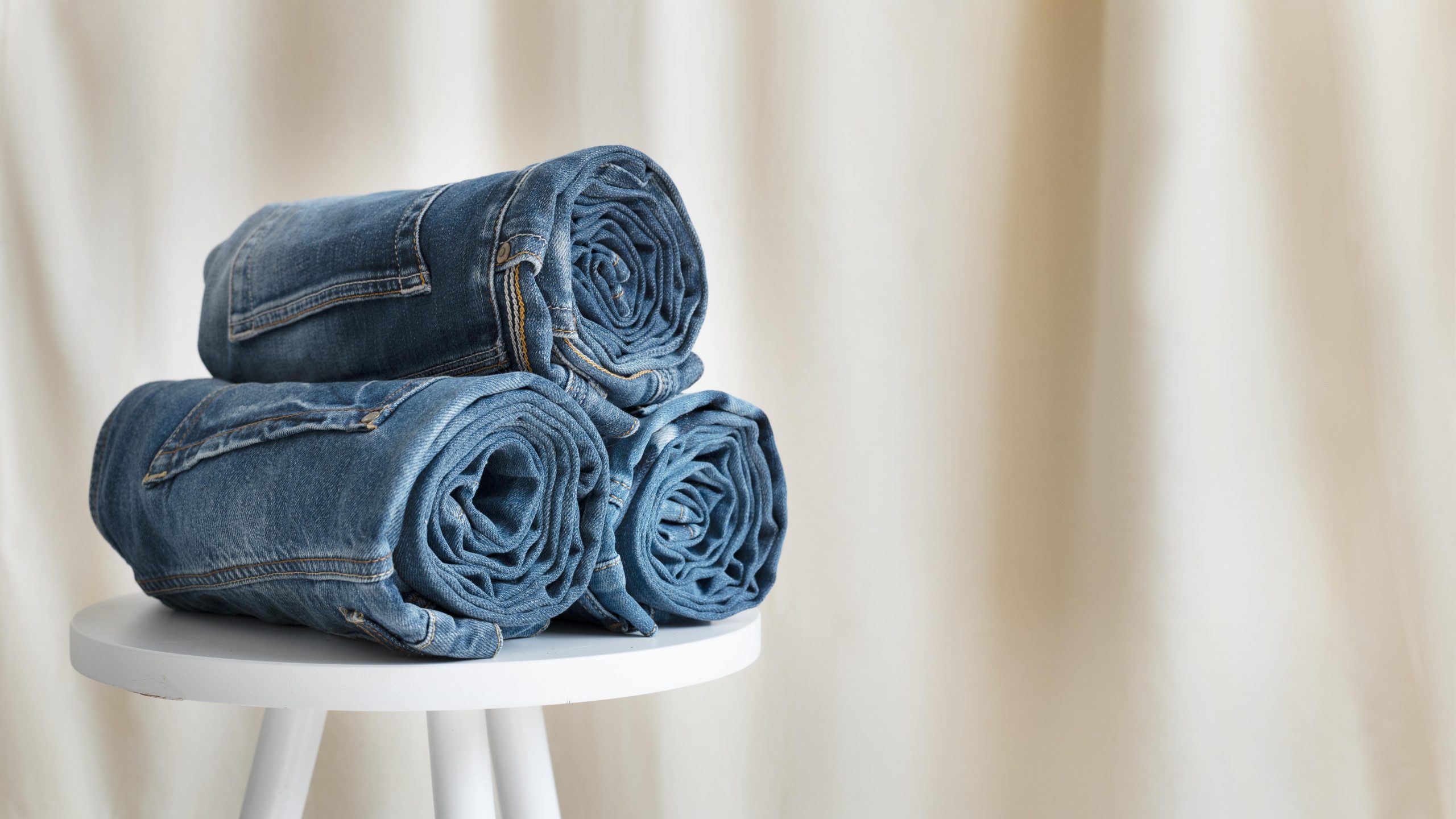

The denim world is loud, messy, creative, and constantly changing. But there’s one thing that never changes: people love jeans (jean washes) that feel good, look real, and don’t destroy the planet. The problem? A lot of our old finishing methods still behave like it’s 1995 — wasting water, chewing up machines, and leaving behind sludge no one wants to deal with.
So let’s talk about what today’s shoppers actually want, what mills and brands need to stay ahead, and where tools like enzymes, lasers, ozone, and yes, HMS (Hand Made Stone), fit in. No jargon. No greenwashing. Only the truth.
Because the people reading this: the change‑makers, the designers, the mills — you aren’t here to play safe, you’re here to reshape the rules.
What Consumers Want From Jean Washes (Right Now)
1. Comfort that feels lived‑in from day one
People want jeans that feel broken‑in without actually being broken. Soft, flexible, cozy — but still strong. Research shows comfort and fit are the top reasons people choose a pair of jeans. That means factories need finishing methods that soften the fabric without ripping it apart.
Gentler enzyme washes, better softeners, and smart mechanical steps get you there without trashing the fibers.
2. Authentic vintage looks, but repeatable
Shoppers don’t want fake-looking whiskers or harsh, flat fading. They want jeans that look like someone actually lived a life in them. But factories need those looks to be consistent: batch after batch.
Laser and ozone create these vintage vibes without drowning jeans in chemicals. Enzymes help with soft fading. And when you combine the right steps, you get that natural-looking age without the mess.
3. Real sustainability, not a marketing line
Everyone wants greener fashion, but they also want receipts.
Consumers want jeans that:
- use less water.
- use fewer harsh chemicals.
- produce less waste and sludge.
- treat workers and machines better.
This is where mills and brands get to shine. When you choose cleaner tech, you’re not just saving resources, you’re telling the market you’re part of the future.
Why the Old Pumice Way Isn’t Cutting It
Well, pumice is messy.
It breaks into mud, fills machines with gunk, increases water use, clogs drains, and makes life hard for ETP systems. And the worst part? You lose a huge amount of pumice in every wash — sometimes hundreds of grams per pair.
Researchers, engineers, and denim scientists have called this out for years. That’s why the shift toward better options — enzymes, ozone, lasers, and engineered stones — is happening fast.
Nobody wants sludge. Nobody wants broken machines. And nobody wants to explain to a buyer why their sustainability audit is full of question marks.
Where HMS Fits In (A Useful Sustainable Tool)
HMS is one of the industry tools that helps mills move away from old pumice without completely changing their workflow overnight.
Let’s keep it simple. HMS:
- creates the stonewash look without turning into heavy sludge.
- lasts longer inside the machine.
- chips less than raw pumice.
- means fewer rinses and often less water.
- is more consistent in size and effect.
Think of HMS as a stepping-stone (pun intended) for mills that still want stone effects but don’t want pumice chaos.
It’s not trying to replace laser or ozone. It works with them. It helps mills get those tactile stone effects, but cleaner, easier, and with less waste.
Today’s change‑makers love tools that reduce problems instead of creating new ones. HMS fits that mindset.
Choose HMS for Your Company Today
What a Modern Jean-Wash Workflow Looks Like
If you’re still running a 100% pumice setup, this is your wake-up call. The world is moving on. A future-ready wash flow usually includes:
1. Enzyme Pre‑Wash
Enzymes gently remove some indigo and soften the fabric. This reduces the need for harsh abrasion. It’s cleaner, quieter, and better for the fabric.
2. Smart Abrasion (HMS instead of pumice)
When you need stone action, HMS gives you the look without the sludge. It’s predictable, stable, and simpler for operators.
3. Laser Finishing for Patterns and Whiskers
Laser gives you:
- clean whiskers.
- natural-looking knee and thigh fades.
- repeatability across batches.
All without rubbing the denim to death.
4. Ozone for Brightening and Bleaching
Ozone cuts water, cuts chemicals, and cuts time. It cleans up the color in a way that feels natural.
5. Controlled Rinsing
Less sludge = fewer rinses.
Fewer rinses = less water wasted.
This combination is where the industry is heading: flexible, efficient, low‑waste, and fully in your control.
What Today’s Mills and Brands Need (And How This Helps)
1. Lower water use
Laser and ozone reduce water dramatically. Enzymes reduce heavy mechanical steps. HMS produces less muck, meaning fewer rinses. Every liter saved matters.
2. Lower chemical load
Using ozone instead of chlorine bleach? Good.
Using enzymes instead of harsh abrasion? Even better.
Reducing sludge from stones? That’s the kind of improvement buyers notice.
3. Better machine life
Less sludge = less wear.
Less wear = fewer repairs.
Simple.
4. Repeatability
Brands want the same look every time. Traditional pumice is unpredictable. Laser files, enzyme recipes, and engineered stones stabilize results.
5. Stronger brand reputation
Consumers and retailers love transparency. When mills share real numbers (water per garment, TSS reduction, fewer stones wasted), they gain trust.
This is how you stand out.
How to Test HMS (If Your Mill Wants to Try It)
You don’t need a full system overhaul. Start with a pilot.
Step 1: Measure Your Baseline
Take note of:
- water use per batch
- sludge volume
- machine wear or breakdowns
- pumice loss per cycle
Step 2: Replace Pumice With HMS in a Small Batch
Run the exact same recipe. Change only the stones.
Step 3: Compare the Results
Check:
- softness
- color
- fading
- water use
- sludge in the ETP
Step 4: Scale Slowly
If you like the results, build a proper SOP and train your team. Mix HMS with your enzyme, ozone, or laser setups.
This kind of controlled testing helps you make decisions based on proof and not hype.
Why This Matters (And Why It’s Bigger Than Just Denim)
Because denim is also an identity.
Today’s change‑makers, like the designers, the mills, the brands, are rewriting the rules. They know sustainability isn’t a punishment. It’s a challenge. A playground. A chance to experiment, to innovate, to make something that feels good on the body and good in the conscience.
Better washes aren’t about staying “compliant.” They’re about owning the story of your craft. They’re about creativity with responsibility, not creativity with excuses.
And tools like enzymes, lasers, ozone, and HMS give you more ways to build that story.
Final Word: The Future Belongs to the Bold
The world does not need another pair of jeans made with old-school waste. It needs jeans that feel like freedom. Jeans that look like they’ve lived. Jeans that don’t leave a trail of sludge behind.
You — the mills, designers, and brands reading this — are the ones who get to lead that shift.
And it doesn’t happen with one machine. It happens with a mindset.
Stay rebellious.
Stay curious.
Stay loud.
The future of denim is hands-on, creative, responsible, and undeniably cool, and jean washes that embrace these new methods are the ones customers will love most.
And if HMS, enzymes, ozone, and lasers help you get there? Even better.
Frequently Asked Questions (FAQs)
1. What are the most common jean washes used today?
Common jean washes include stonewash, acid wash, enzyme wash, bleach wash, rinse wash, and vintage wash. Each one creates a different fade, texture, and character on denim.
2. How are jean washes changing with new technology?
New technology is reducing the need for pumice stones and heavy water use. Tools like HMS help mills create the same stone-like effects with less waste, less machine damage, and better control.
3. Why are many mills moving away from pumice stonewashing?
Pumice breaks down fast, creates tons of sludge, wears out machines, and needs more water. Many mills now prefer cleaner, cost-saving methods that still deliver strong abrasion effects.
4. How does HMS support modern denim washing?
HMS allows mills to get real, high-quality stone effects without relying on pumice. It reduces waste, protects machines, and makes the process more consistent and repeatable.