



This is a truth the denim world has ignored for too long: pumice stonewashing is one of the dirtiest habits in the industry, and we’ve all just lived with it. Sludge-filled floors, machines getting chewed up, water wasted like it’s nothing. For decades, that was considered “normal.”
But normal doesn’t mean acceptable. It doesn’t mean right.
This month (November 2025), we walked into the Levi’s Eureka Innovation Lab — a place where outdated ideas don’t stand a chance. Here, denim isn’t theorized. It’s cut, stitched, washed, beaten up, pushed to its limits, and reborn.
And in that space, surrounded by real tests and real curiosity, one thing became sharper than ever: denim doesn’t need to destroy the planet to look good.
HMS has been shouting that from day one. Now, with Levi’s choosing HMS as their official pumice replacement, the industry can’t pretend not to hear it anymore.
The Truth About Pumice (Someone Has to Say It)

Traditional pumice stonewashing is a mess. Literally. It creates sludge: the thick, dirty waste that mills have dealt with for decades. It wears out machines. It wastes a lot of water. And on top of that, the stones break fast, so factories need a huge amount of pumice stone supply. The same-sized pumice stone will get smaller in 1 hour.
Everyone knows it. Most people don’t want to talk about it. But the denim world deserves better.
HMS exists as a great substitute because we refuse to accept that waste is just part of the process.
What HMS Does Differently as a Pumice Replacement
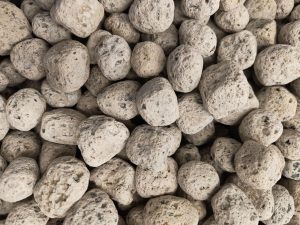
HMS replaces pumice without changing the final look of denim. This part is crucial because nobody wants to lose the fades, the whiskers, the worn-in feel, the attitude.
But here’s what we ensure:
- No sludge.
- No mountains of broken stones.
- No unnecessary water loss: you need 15% to 20% less water with HMS.
- No constant shipping of heavy stones.
- And yes, a 98% reduction in CO₂ tied to stone logistics.
HMS is designed to last longer, work cleaner, and be easier on machines. The HMS stone will get smaller in 60 to 100 hours, meaning it melts away up to 60 times slower than pumice. You get the same worn-in beauty. Just without the damage.
The Levi’s Eureka Moment

Walking into the Levi’s Eureka Innovation Lab was next level. Their team lives by curiosity that you can feel. They want solutions that work. They want finishes that designers love. They want processes that don’t greenwash but actually change something.
We sat together at the table, samples in hand, stones on the floor, denim everywhere. Real talk. Real testing. Real excitement.
Seeing HMS in that environment — being used, evaluated, and respected — showed us that the industry is ready for change. Ready for cleaner methods that still keep the denim soul alive.
And honestly? Being welcomed with so much warmth and openness was the best part. It felt less like a meeting and more like building the future together.
Why Change Makers Care
If you’re a mill, a designer, or a brand that wants to stand out, this is the reality: you don’t win by doing things the old way. You win by leading with intention.
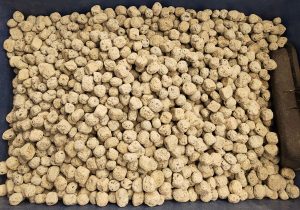
HMS gives you:
- Authenticity — a real solution, not a shiny promise.
- Individuality — because being sustainable shouldn’t make everything look the same.
- Efficiency — fewer stone changes, fewer shipments, smoother production.
- Lower costs — less water, less maintenance, less waste.
- Compliance support — regulations are getting tougher; HMS makes life easier.
- Reputation — customers can feel when a brand actually cares.
We’re not here to lecture anyone. We’re here to hand you the tools that make sustainability feel badass instead of boring.
The Same Aesthetics, Just Cleaner
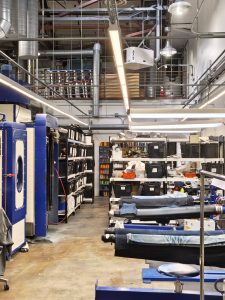
Designers get nervous when someone says alternative. They worry that it gives:
- softer fades,
- weaker abrasion,
- artificial-looking washes.
But that’s not the case with HMS.
HMS proves that you don’t need to choose between style and responsibility. Our stones deliver the same visual results denim lovers swear by. The whiskers. The contrast fades. The character.
The difference is in what you don’t see: the sludge, the waste, the carbon-heavy logistics.
A Future Without Sludge
Let’s pause on this point, because it’s huge.
Imagine running a wash without the heavy slurry that clogs systems, increases cleaning time, and makes wastewater treatment a nightmare.
Now, no sludge.
HMS leaves no residue, which means the wastewater systems will be less contaminated and more manageable. Machines last longer. Floors stay cleaner. Effluent becomes easier to manage. Workers get a cleaner environment. Communities get cleaner water.
This is the kind of change that actually matters.
Water Savings That Add Up
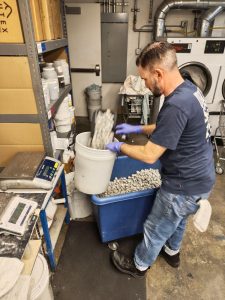
Pumice absorbs water. A lot of it. That means longer rinse cycles and more water used for every single load. Multiply that by thousands of washes, and the waste becomes huge.
HMS doesn’t hold water the same way. You need 15% to 20% less water. In most cases, 1 rinse will be enough instead of 3 rinses after a regular pumice stone wash. Shorter cycles. Less rinsing. Straightforward savings.
For mills in places where water is expensive, restricted, or simply precious, HMS is a true advantage.
Less Shipping, Less CO₂
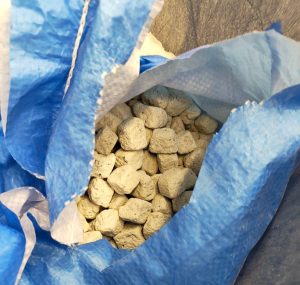
Every time pumice breaks apart, mills need to reorder more stone. Trucks move. Ships move. Warehouses operate. And the invisible CO₂ emissions keep climbing.
HMS stones last longer. Much longer. HMS is 60 to 100 times more durable than pumice. Instead of getting 60 to 100 containers of pumice, you can get 1 container of HMS.
That means fewer shipments and a 98% reduction in CO₂ attached to moving the stones around.
It’s simple math: fewer stones, fewer miles, fewer emissions.
It’s About Responsibility
Sustainability shouldn’t feel like homework. It should feel like leadership. Like being brave enough to say: “We can do better than this.”
The denim industry has always been about rebellion, like from workers’ uniforms to youth culture to fashion icons. So why stop now?
HMS is the new kind of rebellion: the kind that helps the planet instead of hurting it.
The Movement is Growing
More mills are testing HMS. More designers are requesting it. More brands are adding it to their sustainability roadmap.
Not because it’s trendy. Not because it’s a marketing angle. Because it works.
Because denim needs a cleaner future.
Closing: The Denim Future We Believe In

HMS started with a simple idea: keep the beauty, remove the damage.
No sludge. No heavy emissions. No unnecessary waste. Just denim with character. Made in a way that respects the planet and the people who make it.
We’re not just building better stones. We’re building a better future for denim as a great pumice replacement.
And you’re invited to be part of it.
Choose HMS for Your Brand Today
Frequently Asked Questions (FAQs)
1. What is the best pumice replacement for denim washing?
HMS is the strongest pumice alternative because it gives the same denim look without sludge, heavy waste, or high CO₂ emissions.
2. Why are brands switching to a pumice replacement like HMS?
Because pumice creates sludge, breaks down fast, and wastes water. HMS solves these issues while keeping the same wash quality.
3. What can I use instead of pumice?
For denim washing, HMS is the most efficient replacement. It lasts longer, protects machines, and produces cleaner results.
4. What rock is similar to pumice?
Industrially, lightweight volcanic rocks like scoria are somewhat similar, but they are not suitable for modern denim washing due to waste and breakdown.
5. Does HMS change the look of the denim?
No. HMS keeps the fades, abrasion, and character that designers love, just without the mess and environmental damage.