

Look at your favorite pair of jeans. They feel right, fit well, and go with almost anything. But have you ever thought about how they are made?
What worked five or ten years ago may not work in 2026. Today, brands are under pressure to reduce waste, save water, and show where their products come from. Governments are also introducing new rules. Buyers want proof. Consumers ask questions. And costs keep rising.
Now the question is simple. Is your denim process built for 2026?
To answer that, we need to understand what is changing and what brands must do differently.
The Denim Industry is Under Pressure
The fashion and textile industry is huge. It uses a lot of water, chemicals, and energy. Washing, fading, softening, and finishing all require water and chemicals. The United Nations Environment Programme says the sector creates about 2–8% of global greenhouse gas emissions. It also uses around 215 trillion liters of water. The same source notes that 15,000 chemicals are used in textile production.
Because of this, denim is getting more attention from regulators and buyers. This does not mean denim is going away. It means the process must improve.
New Rules are Coming Faster
Governments are now focusing on textile waste and pollution. The European Union has already introduced a strategy for sustainable textiles. It encourages products that last longer, are easier to repair, and can be recycled. It also supports Digital Product Passport. This means brands may need to show where a garment was made and how.
At the same time, textile collection systems are expanding. Many countries want textiles to be sorted instead of thrown away. A large amount of textiles still end up in mixed waste. Some products are even destroyed before being used. This is pushing brands to rethink production volumes and design decisions.
For denim brands, this changes everything. Overproduction becomes risky. Poor traceability becomes a problem. And waste-heavy finishing processes become harder to justify.
The Old Denim Model No Longer Fits
The traditional denim process often involves multiple wash trials. A sample is made. Then adjusted. Then washed again. Sometimes this happens many times before approval. Each step uses water, chemicals, and energy.
This method worked when costs were low and timelines were long. But in 2026, this approach creates delays and waste. It also makes it harder to control quality.
Another challenge is supply chain instability. Shipping delays, fuel price changes, and global conflicts can affect costs quickly. These disruptions can also impact suppliers and workers. Brands are now building stronger long-term partnerships to reduce risk.
This means brands are moving away from trial-and-error processes. They want predictable and efficient systems.
What a 2026-Ready Denim Process Looks Like
A modern denim process focuses on control. It reduces unnecessary steps. It improves repeatability. And it uses fewer resources.
Industry benchmarks highlight resource efficiency as a key goal. This means optimizing water, energy, and chemicals. It also means better planning, so fewer garments go unsold. On-demand production is also gaining attention. Instead of making large quantities, brands produce smarter batches.
For denim, this can include:
- Fewer wash rounds
- Better recipe control
- Consistent finishing
- Reduced water use
- Lower chemical load
- Smarter sampling
- Smaller production runs
These changes do not just help sustainability. They also improve speed and cost control.
Traceability is Becoming Essential
Traceability means knowing where your product comes from. Not just the factory, but also the mills, wash houses, and trims.
Industry reports show that more brands are publishing supplier lists. Some are even sharing deeper levels of their supply chains. This trend is expected to grow. The idea of a Digital Product Passport supports this shift.
For denim, traceability includes:
- Fabric source
- Dyeing process
- Washing partner
- Finishing method
- Trim suppliers
This information helps brands answer buyer questions and build trust. In 2026, a denim process that cannot show these details may struggle.
Circular Thinking is Now Important
Circularity is about extending product life. It also includes reuse and recycling.
Nowadays, many garments are thrown away even when they could be reused. Governments are now encouraging repair, reuse, and recycling.
Denim has an advantage here. It is durable, ages well, and can be repaired. Many consumers keep denim for years.
But circularity must start during production. This means:
- Designing durable washes
- Avoiding unnecessary damage
- Choosing better trims
- Supporting repair-friendly design
- Reducing mixed materials
A denim process built for 2026 should consider what happens after the sale.
Efficiency is Also a Business Decision
When processes are inefficient, costs increase. More water means higher treatment costs. More chemicals increase purchasing and disposal costs. More trials mean more time.
When processes are controlled, brands gain:
- Faster approvals
- Lower sampling costs
- Less rework
- Better consistency
- Reduced waste
- More predictable timelines
This is why many brands are investing in better finishing methods and smarter process planning.
About HMS: The Sustainable Denim Washing Solution
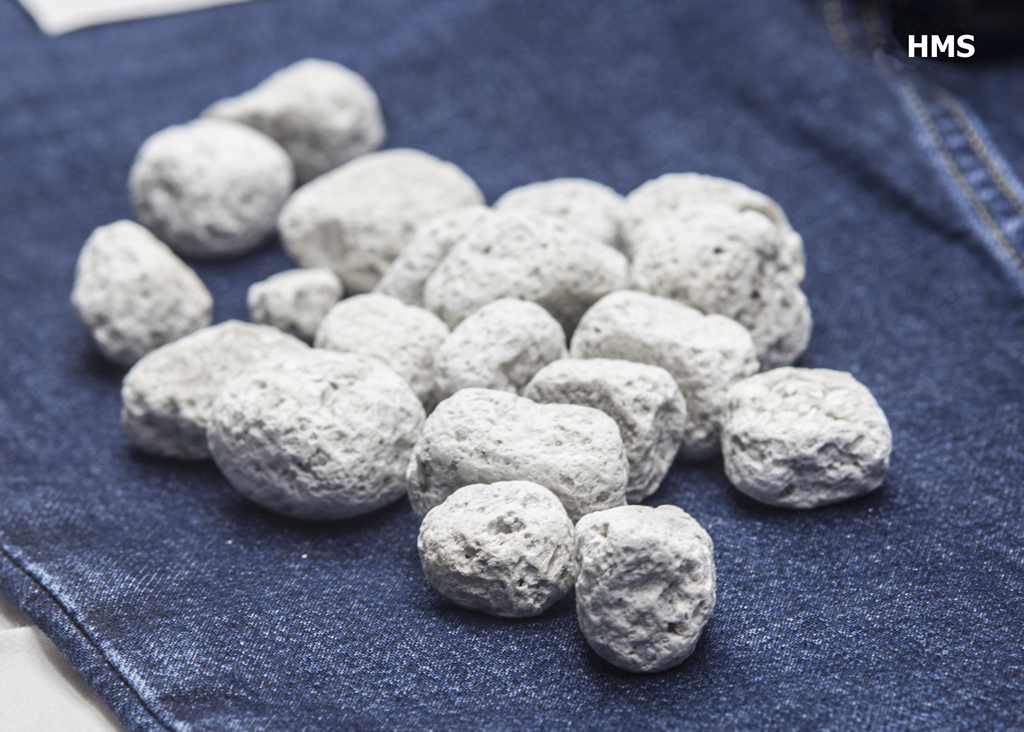
As the industry moves toward better processes, specialized partners become important. This is where HMS (Hand Made Stone) fits into the broader picture.
HMS focuses on improving denim finishing efficiency. This includes reducing unnecessary wash steps, improving consistency, and helping brands move toward smarter and more eco-friendly production. These improvements align with better planning, better finishing, and better traceability.
Conclusion: The Denim Industry is Evolving
Denim is not disappearing but evolving. The focus is shifting from heavy processing to smarter processing. Denim brands that adapt early will benefit in 2026 and beyond. Those that delay may face higher costs and stricter requirements later.
The good news is that improvement is possible. Small changes in finishing, sampling, and planning can make a big difference. One such change is HMS.
Frequently Asked Questions (FAQs)
1. What is the denim process?
The denim process is the full journey of making denim garments. It starts with fabric production and includes dyeing, cutting, stitching, washing, and finishing. Each step affects how the final jeans look, feel, and perform.
2. What is the denim washing process?
The denim washing process is a part of the denim process where garments are treated to get a certain look and feel. This can include fading, softening, or adding texture. It often uses water, chemicals, and machines to achieve the final style.
3. Why does the denim process need to change for 2026?
The denim process needs to change because of rising costs, new rules, and environmental concerns. Brands now need to use less water, reduce waste, and show where their products come from.
4. How can brands improve their denim process?
Brands can improve their denim process by reducing wash steps, using better planning, and improving consistency. They can also work with partners like HMS, who help make the process more efficient and controlled.
5. What makes a denim process sustainable?
A sustainable denim process uses less water, fewer chemicals, and less energy. It also reduces waste, supports recycling, and focuses on making durable products that last longer.