

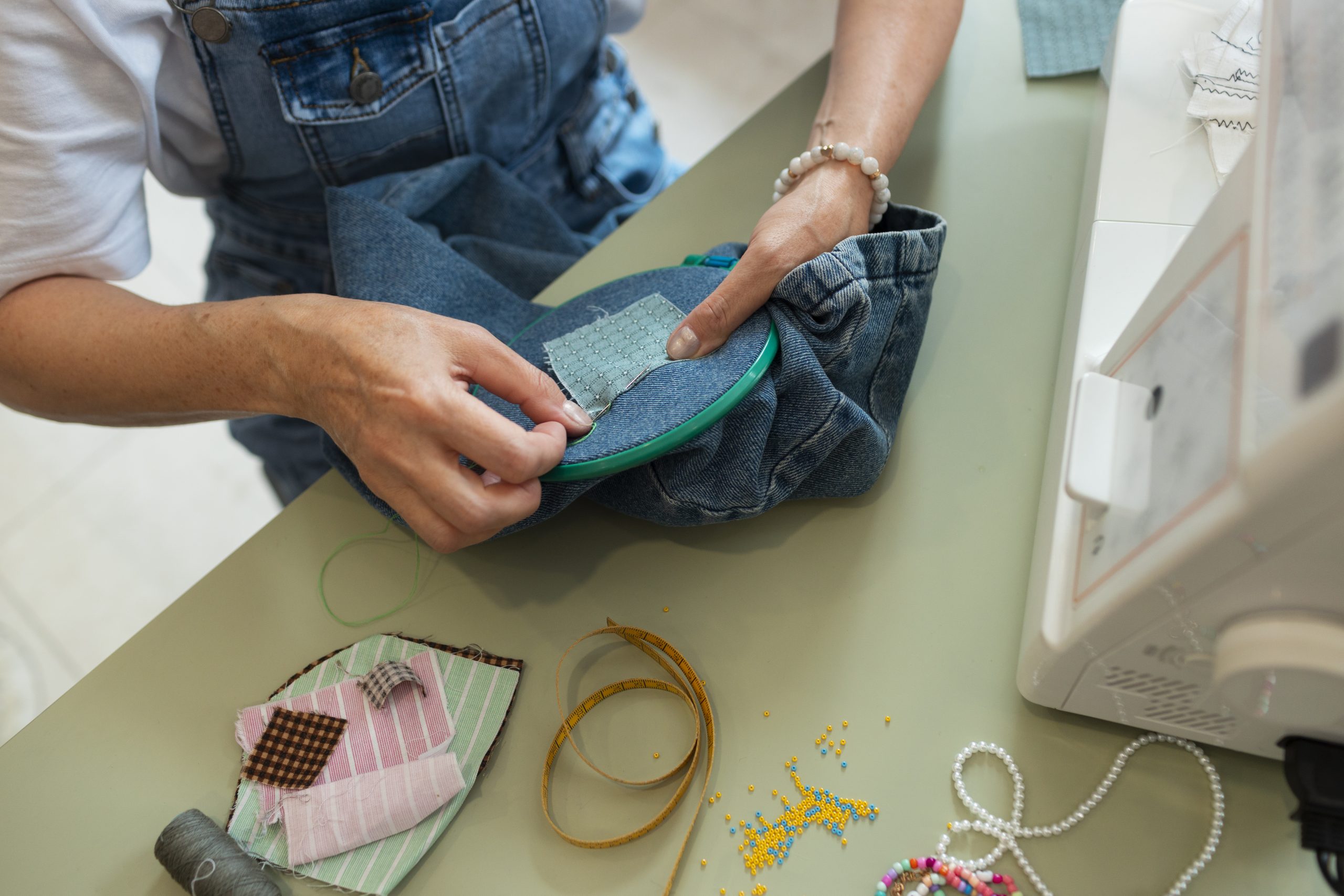
The denim design process looks fun from the outside. But the real story is more complex. Denim must move from idea to factory, then to store, and finally to the customer. Every step has limits. There is cost, time, fabric, and machines. Then, there are people who must repeat the same result again and again.
So, denim designers must balance creativity and production reality. They cannot think only about looks. They must also think about what can be made at scale. When both sides work together, the result is strong. The jeans look new, but they are also practical. They can be produced on time and sold at the right price.
Creativity Begins with Real Limits
Many people think limits stop creativity. But in denim, limits often help. When designers know the fabric weight, stretch level, trims, and wash range, they can make better creative choices.
For example, a designer may want heavy fading and deep contrast. But the factory may have a certain wash range. So the designer adjusts the idea. The final look still feels fresh. Yet it can be repeated without trouble. That is smart design.
This approach also reduces waste. When designers plan better, they avoid extra sampling and unnecessary rework. That saves time and materials.
Design Starts Before Sampling
Good denim design begins before the first sample. Designers ask clear questions. Who will wear this? What fit is needed? How much stretch is required? What wash is realistic? Can the factory repeat the look? Will the garment last after many washes?
These questions guide the design and avoid problems later. If the design is too complex, the team can simplify it early. If the fabric is unstable, they can switch before sampling.
Strong designers also think about brand identity. A brand may need a certain pocket shape, prefer a signature wash, or follow a specific silhouette. These details matter, but they must still work in production. The designer protects the idea, but realistically.
Digital Tools Help Teams Move Faster
Today, many apparel companies use digital tools like 3D modeling and digital sampling. These tools help teams compare ideas quickly and spot problems early.
Still, digital tools do not replace real denim. Designers must feel the fabric, see how the wash behaves, and check the fit on the body.
So the best teams use both. They explore ideas digitally. Then they test the strongest ones in real samples. This saves time, reduces waste and also keeps creativity alive.
Production Reality Means Cost, Time & Repeatability
Production reality sounds technical, but it is simple. Can the factory make the design? Can it repeat the result? Can it do it at the right cost? Can it do it on time? These questions shape denim design.
Most apparel production is handled by small and medium suppliers. These factories work with tight timelines and budgets. They cannot always support very complex designs. So designers must adapt accordingly.
A design that can be repeated is more valuable. It reaches the market faster without any risk.
Sustainability is Part of Design
Denim finishing uses water, energy, and chemicals. Because of this, design choices affect impact. If a style needs many wash steps, it uses more resources. If a look can be achieved in fewer steps, the impact drops.
So, designers can choose simpler effects. They can avoid unnecessary rework. They can select fabrics that behave well in washing.
There is also a shift toward circular fashion. The idea is simple. Products should last longer. They should be repaired and reused. Denim fits well here. Many people keep jeans for years. So designers can focus on durability and timeless looks.
What Strong Denim Designers Do
Strong denim designers follow a few habits:
- They think about production early.
- They test ideas quickly.
- They simplify where needed.
- They focus on fit as much as style.
- They respect wash limits.
- They stay flexible.
They also think about the customer. Today, many buyers are careful with spending. They want value, comfort, and durability. Designers must deliver all three. This is where real skill shows.
DIY Denim Design Tools Also Help
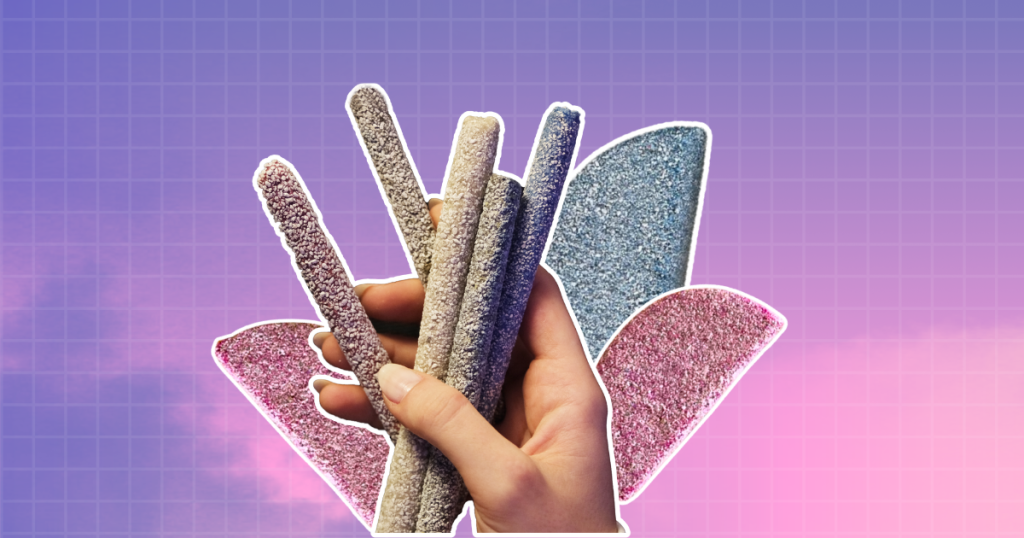
DIY denim design tools can support this balance. Tools like HMS Designer Pen and HMS Moon allow designers to explore ideas early. They can test patterns, draw effects, and visualize washes. The result is a smoother path from idea to production.
HMS tools are one example of how denim design is becoming more hands-on and flexible. Designers can try more ideas without slowing production. That keeps creativity alive while staying practical.
Conclusion: Creativity & Reality Work Better Together
Denim design is strongest when creativity and production work together. A good idea becomes a real product. The product can be made at scale. It reaches stores on time. Customers enjoy it. And the brand builds trust.
This is the future of the denim design process. Not creativity versus production, but creativity shaped by production reality. When designers accept this, they make better jeans. They reduce waste. They move faster. And they create products that last.
That is the true balance. And it is what great denim designers aim for every day.
Frequently Asked Questions (FAQs)
1. What is the denim design process?
The denim design process is the journey from idea to finished jeans. It includes sketching, choosing fabric, planning the wash, making samples, and working with factories to produce the final product.
2. Why is the denim design process important for brands?
The denim design process helps brands create jeans that look good and can be made at scale. It ensures the product meets quality, cost, and timeline needs before it reaches the market.
3. How do denim designers balance creativity and production?
Designers balance creativity and production by thinking about factory limits early. They adjust designs so they can be made easily without losing the original idea.
4. How do digital tools help in denim design?
Digital tools help designers test ideas faster. They can create virtual samples, compare options, and fix problems before making real samples, which saves time and cost.
5. Why is sustainability important in denim design?
Sustainability matters because denim production uses water, energy, and chemicals. Smart design choices can reduce waste, lower impact, and create jeans that last longer.